The following article appeared in the print issue of Ponca City Monthly magazine, which includes hyperlocal stories about Ponca City. Get full access to all online articles, videos, and content by becoming a paid subscriber. We offer free and paid subscription plans. Find rack locations to pick up your free print copy here, or subscribe here to get online access plus exclusive content.
The Standing Bear Powwow will be held Sept. 27-28. This year marks the 31st anniversary of the event. The first powwow was held in 1994 and marked the one-year anniversary of the beginning of the Standing Bear Museum, Education Center and Park projects. Carl Renfro says, “As Chairman of the Standing Bear Foundation, it has been our pleasure to sponsor the Standing Bear Powwow for the past 30 years. The powwow has grown from its beginning with less than 100 in attendance, to over 3,000 annually attending this outstanding event. We extend an open invitation to all the people of Ponca City, as well as the surrounding area, and our Native American friends, to this family friendly, historical event.”
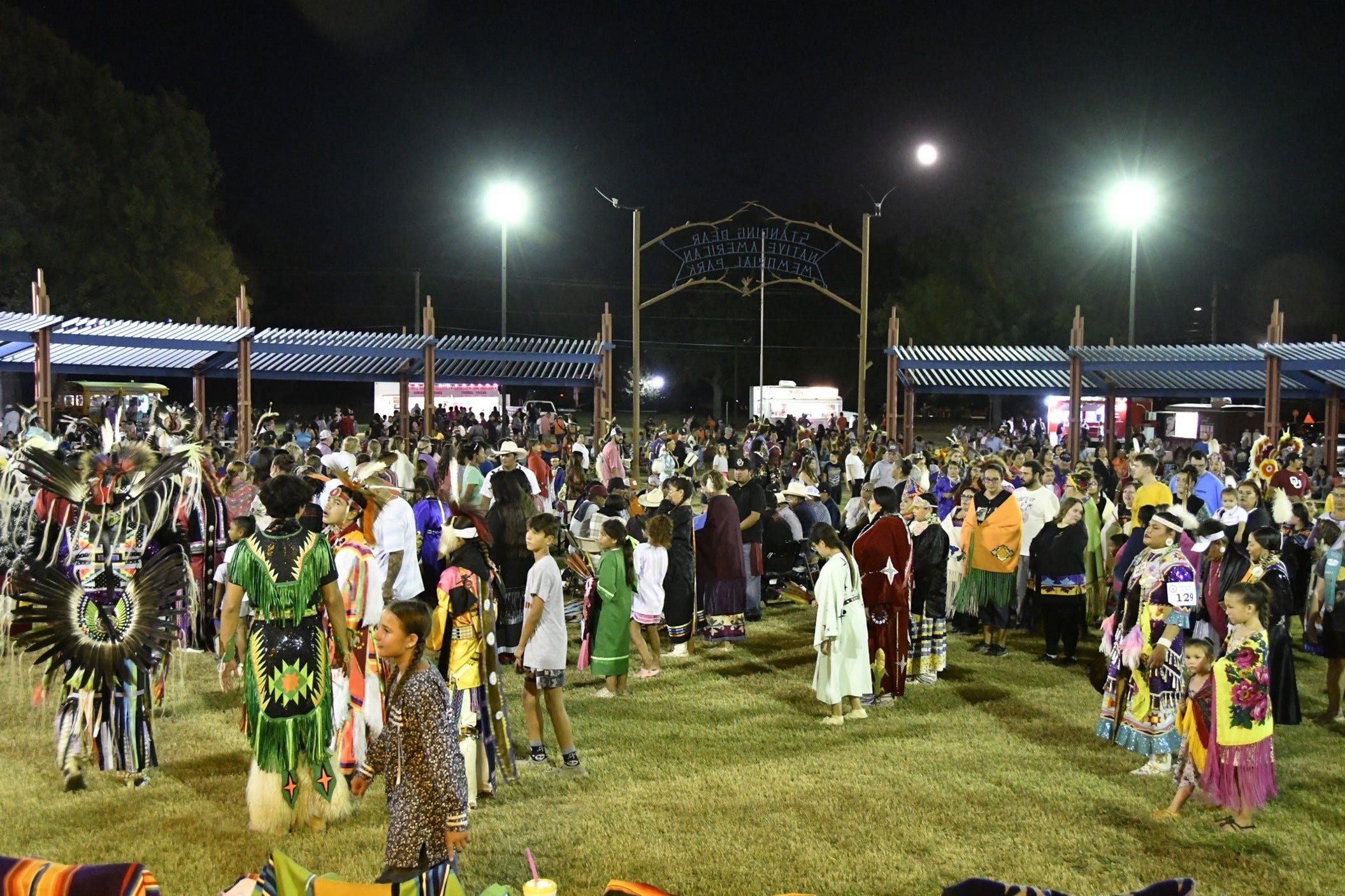
The Standing Bear Powwow symbolizes the coming together of six of our area’s Native American Tribes – Kaw, Osage, Otoe-Missouria, Pawnee, Ponca and Tonkawa. Each tribe brings their own unique set of customs and traditions to the event. Its long-standing success shows a deep respect among these tribes. Osage Nation Representative Tracey Ann Moore says, “The value it brings to the community is needed, it brings our elders from all tribes together to advise us on culture and traditions needed to carry on into the future. We also bring our youth of all tribes into the arena to ensure our traditions will continue on into the future. The native people in this area are survivors of a tragic past, but today we can celebrate our existence at the Standing Bear Powwow for years to come.”
Every year, the highest elected official in each tribe is asked to name a representative for their tribe to sit on the Tribal Host Committee. Standing Bear Museum Executive Director T.L Walker has been helping organize the powwows since 1998. She has this to say about the positions held by the Tribal Host Committee, “Those positions are really positions of honor, and we treat them that way. They are there to guide us culturally and to help select the Head Staff and to make cultural decisions about the powwow.” This group meets one time. Many travel from out of town so it is important to Walker that their time be respected.
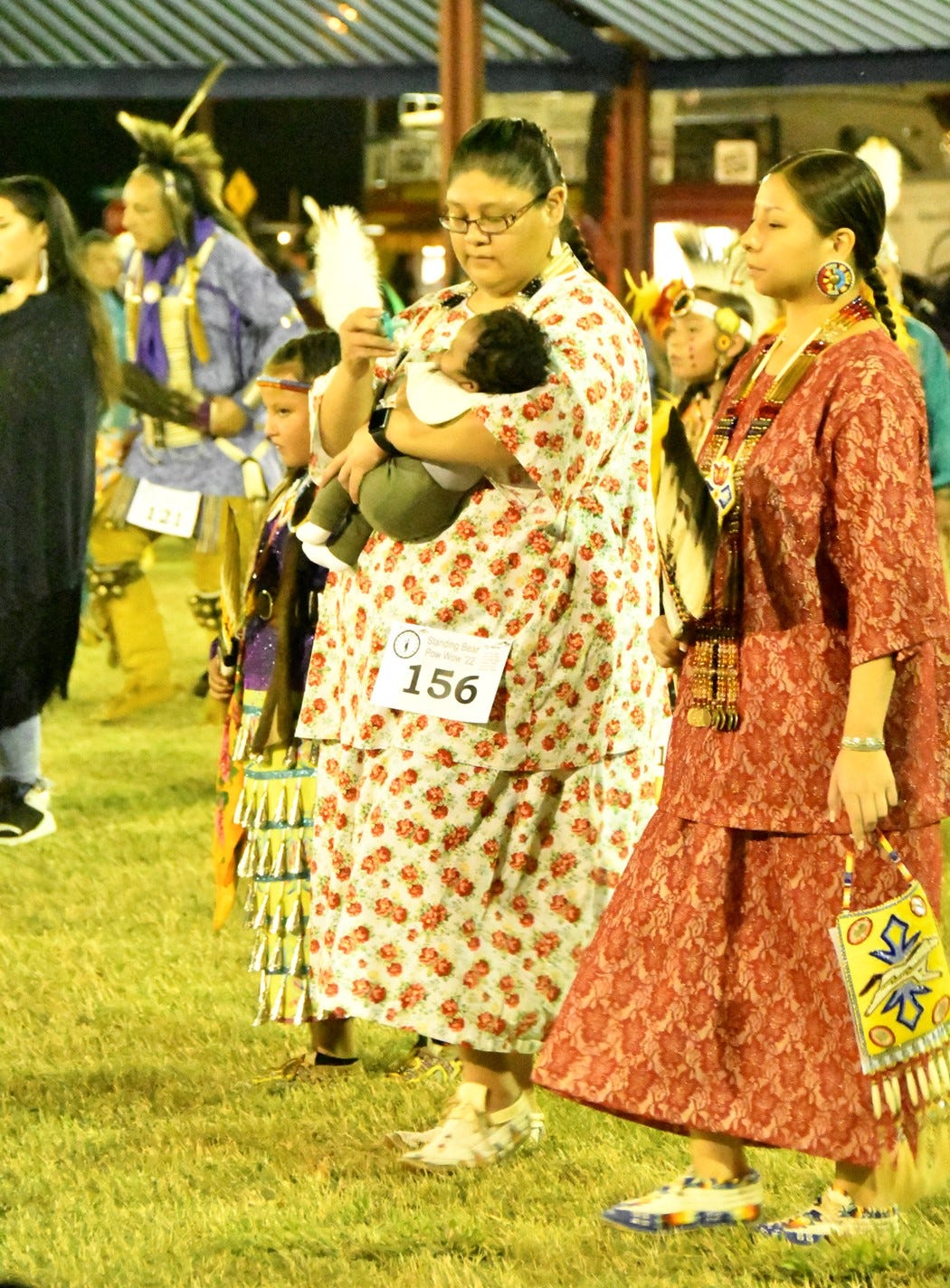
The Tribal Host Committee chooses the Head Staff, which is made up of Masters of Ceremonies, Head Man Dancer, Head Lady Dancer, Head Singer, Arena Directors, Water Carriers and Head Gourd Dancers. All six tribes are represented among this group of individuals, and they are integral in bringing the powwow together.
A second committee made up of volunteers runs the logistics of the event, making sure all the necessary items are in place for the powwow. They oversee things like lighting, bleachers, seating for the dancers, organizing food and art/craft vendors and countless other items. After years of running the event, they’ve got it down to an art.
On the Thursday before the event, the arena gets blessed with a smoke blessing by Leroy Enloe. Friday marks the official start of the powwow. The Standing Bear Powwow is a Contest Powwow, with dance categories for men, women and children. All dancers must register Friday. The Gourd Dancing, a type of prayer dance, begins at 5 p.m.
After the Gourd Dancing, the Princess Contest is held. Princess candidates must be aged between 15-21 and be a descendant from one of the six tribes. The dance competition starts at 6:30 p.m., and the new Princess is crowned right after the Grand Entry. Judges are comprised of one member from each tribe. The Grand Entry, led by the outgoing Princess, takes place at 7 p.m. and is when all the dancers come into the arena. After the Grand Entry and the Princess selection, the Intertribal Dancing takes place. Intertribal Dancing is social, not a competition, and all ages, dancers, styles of dances and even spectators are invited, welcomed to join. It is customary for women to wear shawls when they dance. T.L says she always has extra available for anyone who needs one.
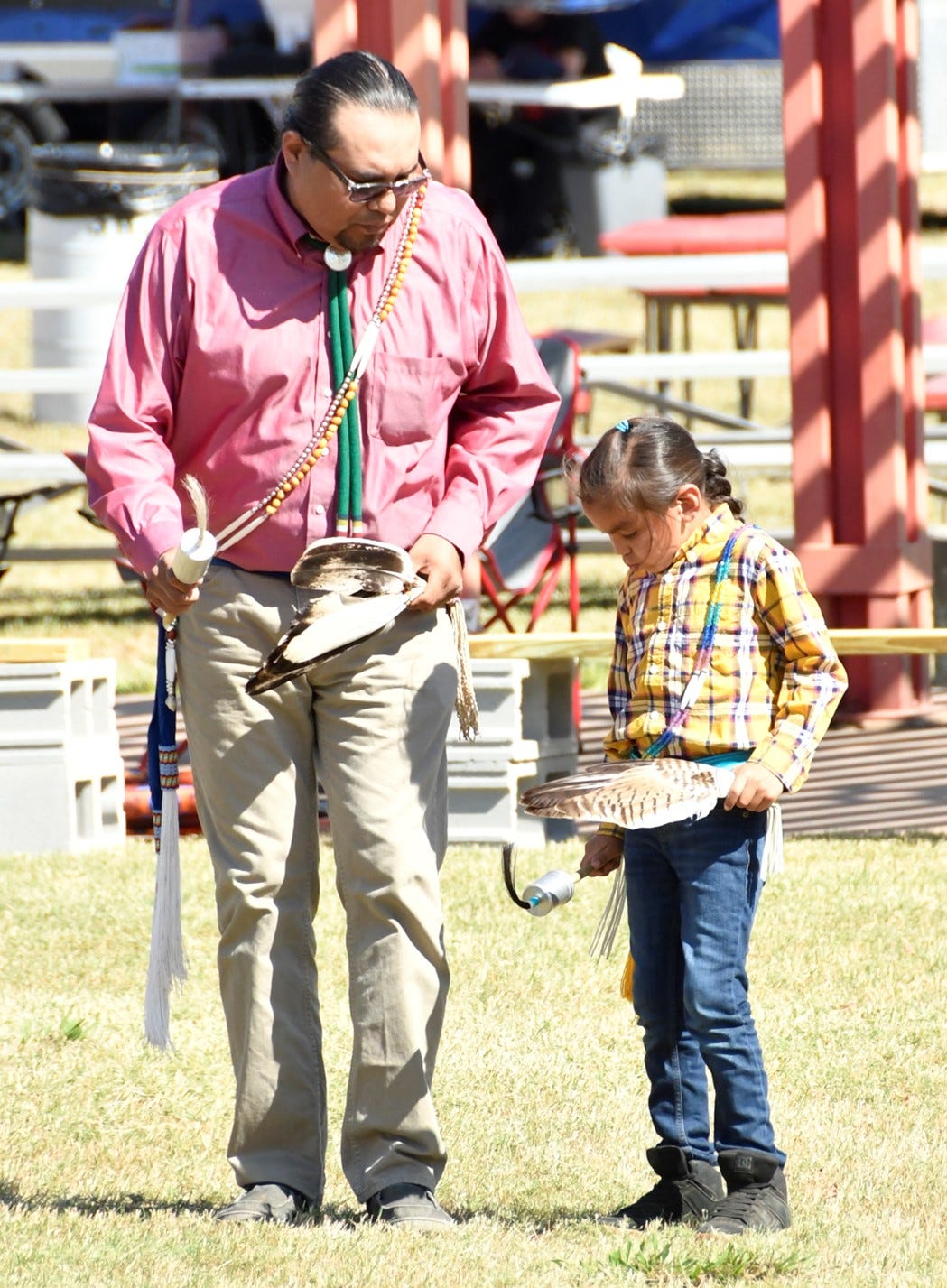
Next the Friday night contests are held, which include the Tiny Tots (5 and under), the Jr./Teen Division (ages 6-17) and the Golden Age (55 and up) dances. Adult dances are held on Saturday night. Cash prizes in various amounts are designated for 1st, 2nd and 3rd place in the Jr./Teen, Golden Age and Adult divisions. These prizes are awarded on Saturday night at the culmination of the event. Tiny Tots are all deemed winners and their prizes are awarded after they dance.
Gourd Dancing begins again at 1 p.m. on Saturday afternoon. Saturday afternoon is also when Specials/Giveaways take place. Specials/Giveaways are dances that are meant to honor the dancer and could be for a Head Staff member, a family member being honored or someone returning from military service, for example.
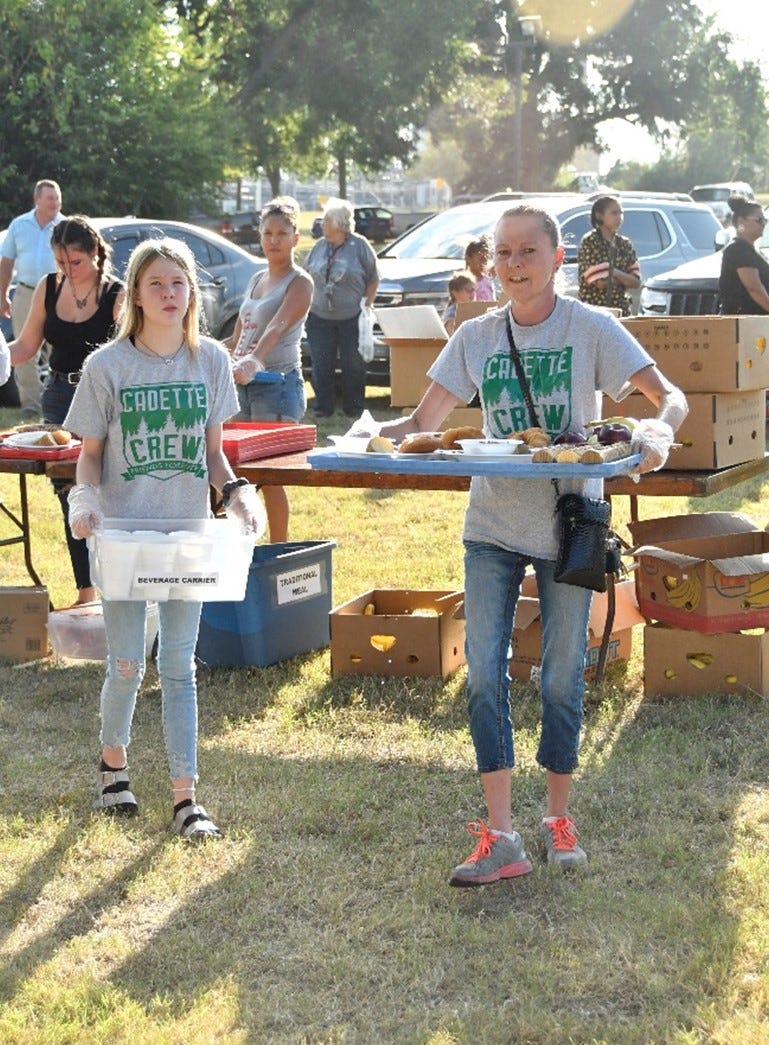
At 5:30 p.m., dancers break for a traditional meal to be served. Cooks begin first thing in the morning and cook all day long. They prepare corn soup, steam fry, fry bread and potatoes. The corn soup and the steam fry are cooked on-site over a big, open fire in a very traditional manner. The meal is an incredibly important part of the event. Representative Ken Luttrell shares, “The traditional meal served to tribal elders, members and the public is a gesture of respect and unity, reinforcing bonds within our community. I have had the privilege of participating in serving meals alongside my family – an experience that has deepened my appreciation for the powwow’s inclusive spirit.”
At 7 p.m., the Grand Entry begins, followed by Intertribal Dancing and the Adult Dance Contests. The event culminates with the special dance contest which changes each year. This year, it’s going to be Men’s Straight Dance.
Many community members volunteer throughout the weekend to help make the event a success. Volunteers do a number of tasks, including running the merchandise booth and helping with set-up and tear down. These volunteers play an integral part in serving the traditional meal. Elders are served at their seats and everyone else goes through a buffet line. T.L estimates they serve between 700-1,000 people in about 45 minutes, which speaks to the efficiency of the event.
Around 200 dancers participate each year with lots of family and tribal support in attendance. Many camp on the grounds throughout the weekend during the event. Food vendors are invited to attend each year, as well. Event organizers make sure that a good variety of food is represented so all vendors are successful. The event will also feature anywhere from 12-20 art and craft vendors. These are either Native American vendors or folks who bring Native American offerings.
For more information about this year’s powwow, contact T.L Walker at the Standing Bear Museum and Education Center at (580) 762-1514. Plan to attend this year’s event to see the spectacular dances. Just make sure to bring a lawn chair!
➡️ Opt in or out of different newsletters on your “My Account” page.
➡️ Learn more about Ponca City Monthly+
Ponca City Monthly is a locally owned publication that delivers hyperlocal news in print and online.
Like what we are doing? Feel free to forward this along and tell a friend.
Sponsorship information/customer service: email [email protected]