The following article appeared in the print issue of Ponca City Monthly magazine, which includes hyperlocal stories about Ponca City. Get full access to all online articles, videos, and content by becoming a paid subscriber. We offer free and paid subscription plans. Find rack locations to pick up your free print copy here, or subscribe here to get online access plus exclusive content.
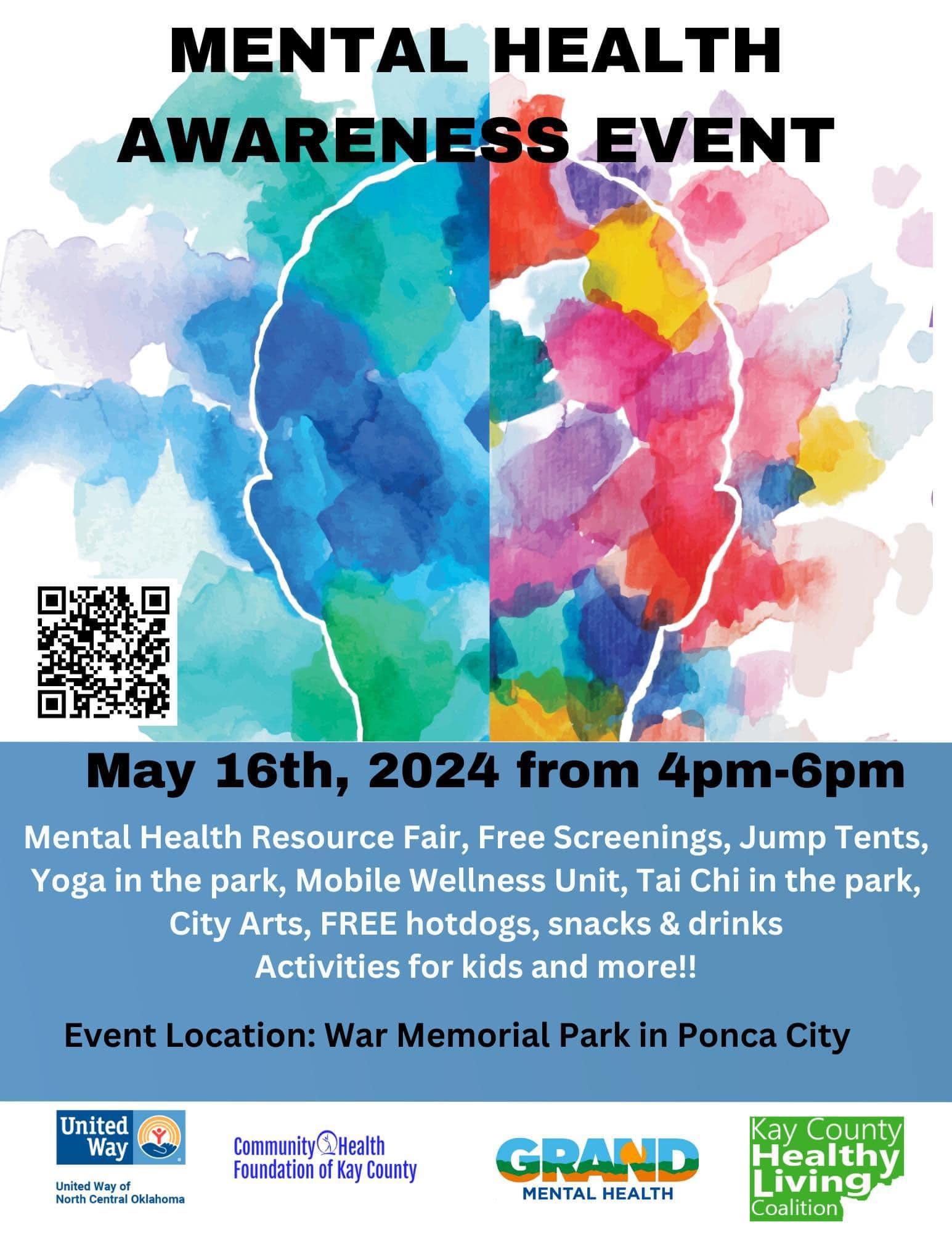
It seems like every time I turn on the news or open social media, I hear or see something about mental health. It would be easy to become less sensitive to the issue or feel inundated with mental health messages. So, why can’t we let this happen and why should we care?
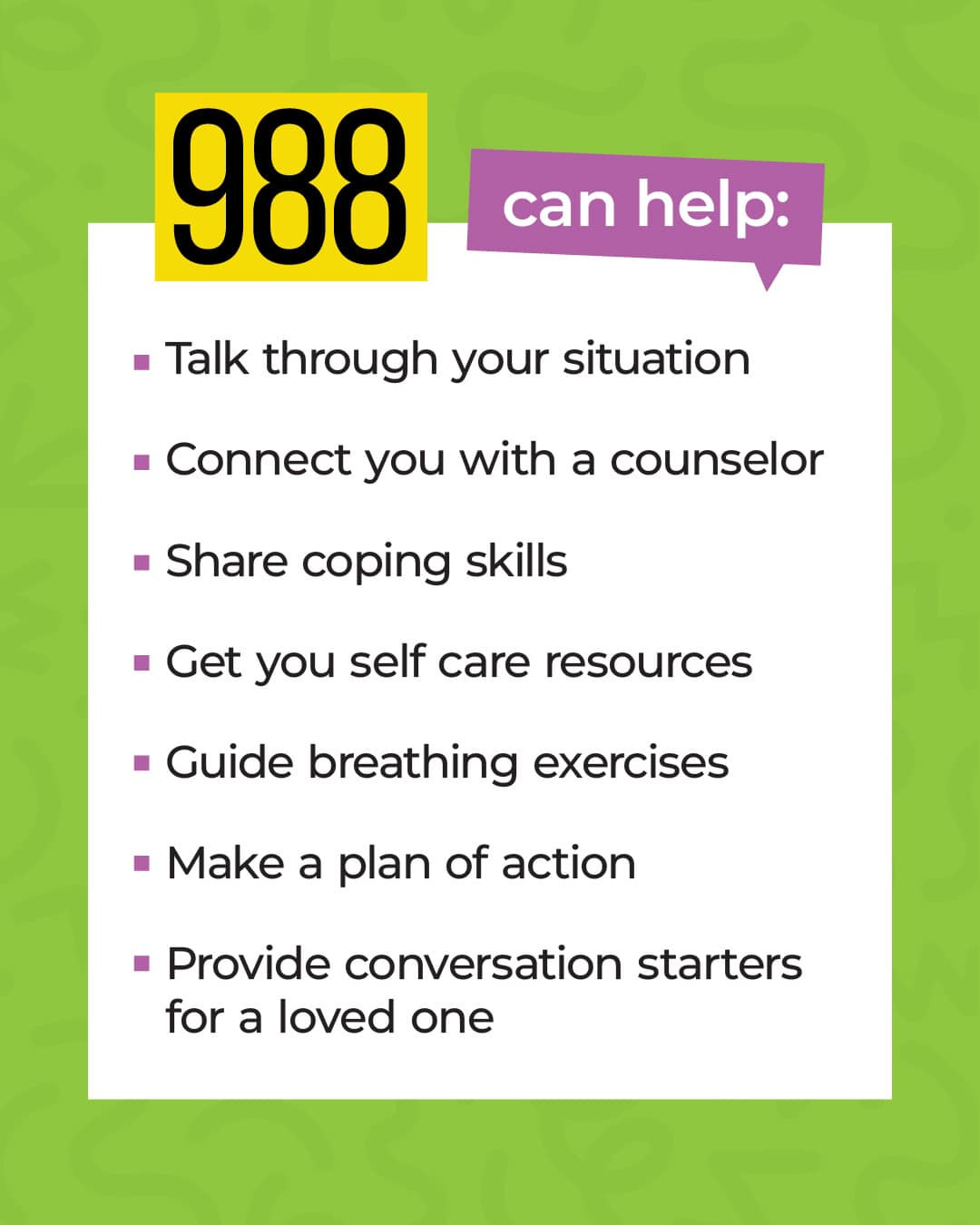
Oklahoma is currently ranked fifth in the nation for the rate of mental illness. More than one in four adults have a mental illness, as well as one in ten individuals under the age of 18. Yet less than one in three adults and one in five adolescents with a mental health problem will receive mental health services. In the last 30 days, there have been 6054 calls to 988, the suicide and crisis hotline, from Oklahoma alone. Oklahoma is ranked seventh in the nation in rate of death by suicide.
Mental health includes our emotional, psychological, and social well-being. It affects how we think, feel, and act, and helps determine how we handle stress, relate to others, and make choices. Mental health is important at every stage of life, from childhood and adolescence through adulthood. Over the course of life, mental health problems can affect thinking, mood, and behavior. Many factors contribute to mental health conditions including: biological factors, such as genes or brain chemistry; life experiences like trauma (physical, emotional or life-threatening harm) or abuse; a chronic physical illness; and family history of mental health problems. A Serious Mental Illness is a mental illness that interferes with a person’s life and ability to function. Despite common misperceptions, having a serious mental illness is not a choice, a weakness, or a character flaw. It is not something that just “passes” or can be “snapped out of” with willpower.
When we promote mental health, we help people improve their health and well-being, have positive self-esteem, and to be valued and contributing members of our communities. Mental health promotion also helps build resiliency in people, helping them cope better during life’s challenges. As a community, prevention interventions help reduce the likelihood of developing a mental illness or substance abuse disorder and can help delay the onset or reduce the severity of a mental illness.
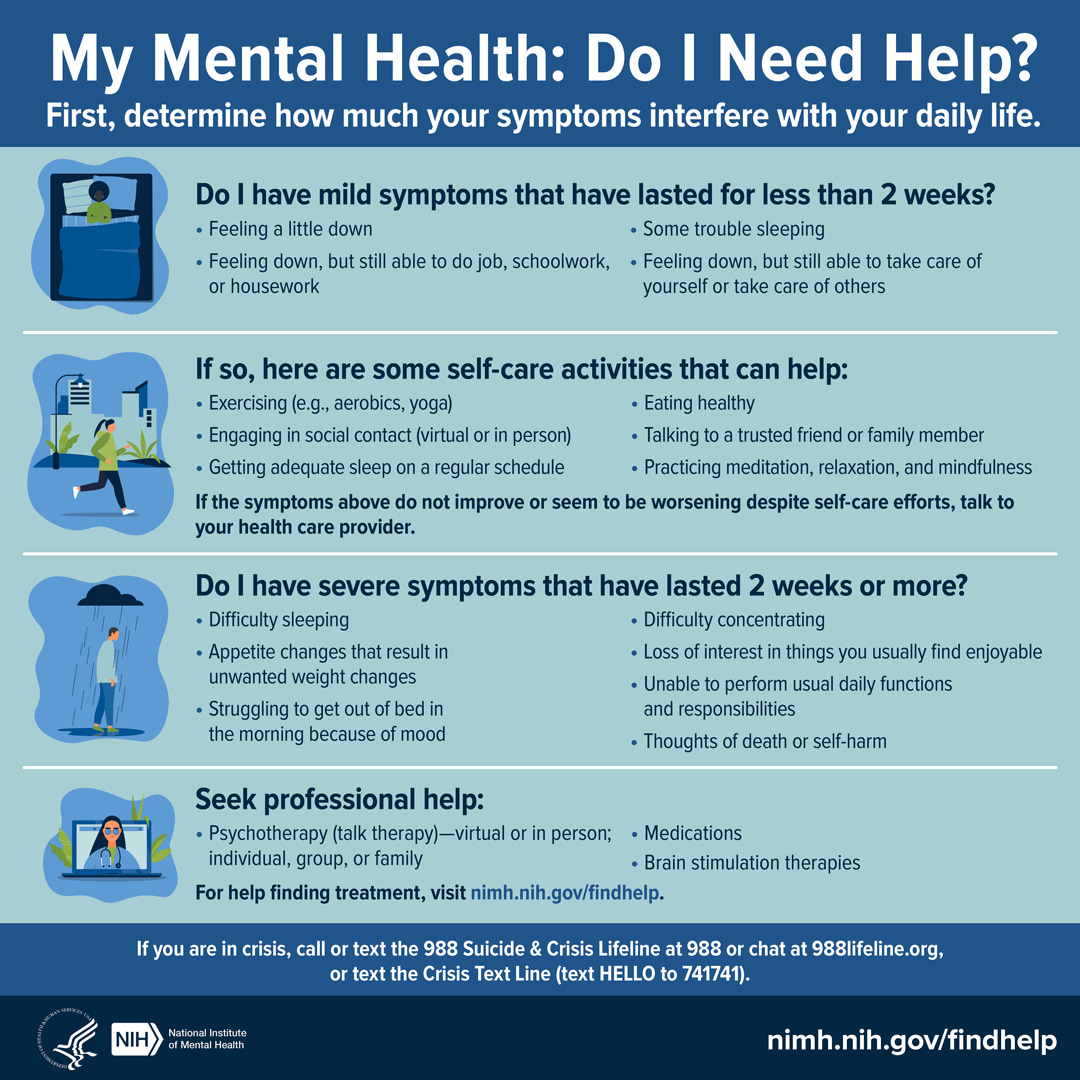
Most people who experience mental illness will improve if they receive appropriate supports, services, and treatment. The first step in getting the right treatment is to see a health care professional and review symptoms and life circumstances. Treatment options are tailored to each specific person and condition.
Providing for and supporting good mental health is a public health issue just like assuring the quality of drinking water or preventing and managing infectious diseases. Communities prosper when the mental health needs of community members are met. Unaddressed mental health issues can have a negative influence on homelessness, poverty, employment, safety, and the local economy.
Statistics show us that mental health issues will directly affect you or someone you know. Without a doubt, mental health is affecting our community as a whole. If you haven’t been affected or cared about mental health yet, it’s time to care and maybe even do something about it.
Mental Health American Stress Screener
➡️ Opt in or out of different newsletters on your “My Account” page.
➡️ Learn more about Ponca City Monthly+
Ponca City Monthly is a locally owned publication that delivers hyperlocal news in print and online.
Like what we are doing? Feel free to forward this along and tell a friend.
Sponsorship information/customer service: email [email protected]