Community
The Modern Food Paradox
Surrounded by Abundance, Starving for Nutrients
All who eat food!
After years immersed in the world of food, I’ve learned that not all food is created equal. Just because something can go down the hatch, doesn’t mean it should. Michel Lotito, anyone?
Many of the old-timers come into our store and speak their sentiment, “Food used to be just ‘food.’ Now it’s not. It’s full of food-like substances.”
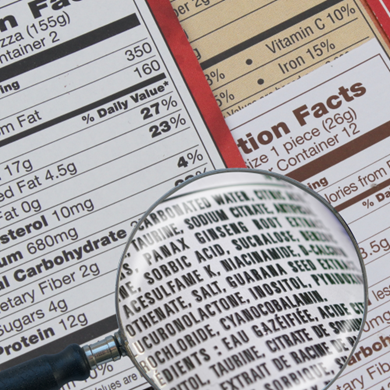
It’s true. Food nowadays has so many different connotations that it often makes a beginner’s head spin when starting their journey into this food world—whole, processed, local, global, organic, natural, ethical, fair trade, _____-free, etc. And have you read a big-box store ingredient label lately? Yikes! And don’t even get me started on the proprietary words companies can use in their labels to literally hide mystery ingredients ...
In my business, I hear many stories of people’s experiences with food and health. Some will say that no matter how many salads and “healthy food” they eat from the store, they just couldn’t lose the weight or that they would always feel hungry even right after a meal.
“Hidden Hunger” is a phrase that caught my attention. The definition: A micronutrient deficiency that occurs despite adequate calorie intake. According to the Institute for Functional Medicine, “Micronutrient malnutrition has been associated with a wide range of physiological impairments, including metabolic disorders; reduced immune, endocrine and cognitive function; and delayed or inadequate physical development. Some micronutrient deficiencies may also be an underlying cause of chronic disease.” ¹
Someone may appear to be healthy from the outside but is still suffering internally. In other words, you can eat all the pretty veggies in the world and still not have enough nutrition for health. Not all “healthy foods” are created equal.
The answer? It isn’t more food, it’s better food.
We live in a society of “abundance,” but with such abundance, oftentimes comes compromising quality. We’ve all done it: bought the cheap mass-produced item only for it to break and need to be replaced over and over again. Then we kicked ourselves for not just buying the quality one to begin with that would have outlasted our lifetime and probably saved us money in the long run, not to mention the headache we would have avoided!
The food industry is no different. You WILL pay more for quality food upfront, either in dollars or in work by growing it, but you are getting nutrition, health and longevity in return. A perk: you’re also supporting those in the system who grow food based on the same belief that nutrient-density matters.
It’s not that the veggies that the hungry salad-eaters were consuming are unhealthy, or that they should quit eating them. The salads are certainly more nutritious than the processed aisle foods at the grocery store as a whole. It’s just that the veggies were likely grown rapidly with a synthetic fertilizer—and oftentimes in nutrient-depleted soils, and therefore have less micronutrition than a body requires. This micronutrient dilution leaves the consumer with hidden hunger.
SOILS … a topic for next month!
Digging for the truth,
Liz Threlkeld
¹ https://www.ifm.org/articles/hidden-hunger-micronutrient-deficiencies