Community
Staying Up to Date: How Vaccines Help Protect Families and Communities
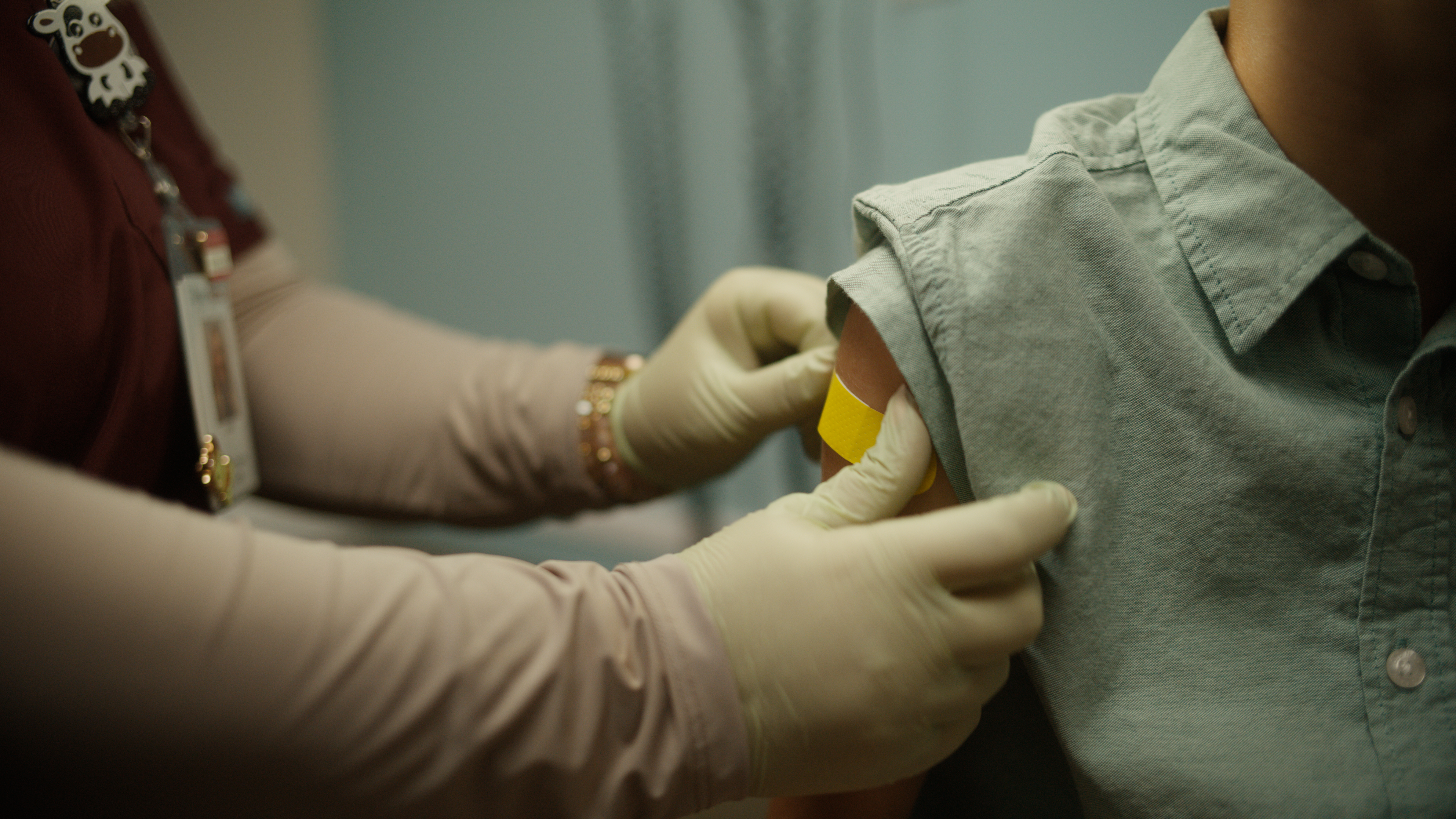
As families settle into a new school year and look forward to fall activities, it’s important to make health and wellness a priority too. One simple step parents can take is making sure their children’s vaccinations are up to date.
Vaccinations are an important part of preventive health care at every age. They help protect individuals from serious illness while also reducing the spread of disease through schools, workplaces and communities.
For parents who have questions about which vaccines their children need or when they should receive them, primary care providers and pediatricians can be a trusted resource. Because they know their patients’ medical histories, health care providers can help families understand current recommendations and determine which vaccinations are appropriate for each individual.
“Vaccines are one of the most effective ways we can protect our communities from serious illness,” said Dr. Ted Kaspar, Chief of Staff and Hospitalist at Stillwater Medical. “When you choose to vaccinate yourself and your children, you’re not just protecting your family—you’re protecting your neighbors, coworkers and friends.”
“Vaccines remain one of the most effective tools we have in medicine to prevent illness and save lives,” Kaspar said. “No other medical intervention comes close to reducing morbidity and mortality on the scale that vaccines have.”
Protection Beyond the Individual
The benefits of vaccination extend beyond the person receiving the vaccine. According to the Centers for Disease Control and Prevention (CDC), high vaccination rates can help limit the spread of contagious diseases and provide indirect protection to people who cannot be vaccinated, including some infants and people with certain health conditions. The level of vaccination needed to prevent an outbreak varies by disease. For measles, about 95% of a community needs to be vaccinated to effectively suppress community transmission.
When vaccination rates decline, diseases that were once uncommon can return and cause outbreaks. Recent measles outbreaks have highlighted the importance of maintaining high vaccination coverage in communities.
“Some diseases that were once considered eliminated are beginning to make a comeback in certain regions, particularly where vaccination rates are low,” said July Stanley, infection prevention nurse at Stillwater Medical. “Measles, mumps, rubella and diphtheria are a few examples. It’s very unfortunate to see these preventable diseases return.”
“Vaccination is not only about protecting one person from a particular illness,” Stanley said. “When more people are protected, there are fewer opportunities for diseases to spread. That can make a meaningful difference for families, schools, health care settings and the community as a whole.”
Trusting Your Health Care Provider
Although vaccines have been studied extensively for decades, questions and misinformation about immunizations continue to circulate. Health care professionals encourage patients who have concerns to talk with their primary care provider rather than relying solely on information found online or through social media.
One persistent misconception is that vaccines cause autism. The claim originated with a 1998 study that was later retracted because of serious concerns about its methods and data. Extensive research conducted since then has found no connection between vaccines and autism.
Another misconception is that natural immunity gained by becoming sick is safer or better than immunity provided by vaccination. While infection can sometimes result in immunity, illnesses such as measles can also cause serious complications, including pneumonia, brain swelling and death.
Parents may also worry that children receive too many vaccines too early in life. However, a comprehensive study published in Clinical Infectious Diseases in 2013 found no evidence that multiple vaccines weaken or overwhelm the immune system. In fact, children are exposed to far more antigens in their daily environment than through routine immunizations. Vaccines are designed to help the body recognize and respond to specific diseases.
“Parents should never feel hesitant to ask questions about vaccines,” Kaspar said. “Your primary care provider can help you understand what is recommended for your child, why it is recommended and how it fits into your child’s overall health.”
Vaccination Through Every Stage of Life
Vaccination is not limited to childhood. Immunizations can continue to play an important role in protecting health throughout adulthood and older age.
Childhood vaccination schedules begin early in life and include protection against diseases such as hepatitis, polio and rotavirus, among others. Seasonal influenza and updated COVID-19 vaccinations may also be recommended depending on a person’s age, health history and current guidance.
Adults have their own vaccination needs, including tetanus boosters and, for eligible adults, shingles and pneumococcal vaccines. Recommendations can change as people age or as their health circumstances change, making regular conversations with a primary care provider important.
“Vaccination recommendations are not necessarily the same for everyone,” Stanley said. “Your health care provider can look at your age, medical history and other factors and help you determine what is appropriate for you.”
Many vaccines are covered by health insurance, and programs may be available to assist eligible individuals without coverage.
Ultimately, making decisions about vaccines does not have to be complicated. When questions or concerns arise, patients can turn to the health care professionals who know them best.
A conversation with a primary care provider can help families understand current recommendations, address concerns and make informed decisions about protecting their health—and the health of those around them.