Members
Making the World Less Beige: Kestrel Tinklenberg and the Creative Heart of City Arts
Story by Charles Gerian | Staff Writer
The following article appeared in the print issue of Ponca City Monthly magazine, which includes hyperlocal stories about Ponca City. Get full access to all online articles, videos, and content by becoming a paid subscriber. We offer free and paid subscription plans. Find rack locations to pick up your free print copy here, or subscribe here to get online access plus exclusive content.
For Kestrel Tinklenberg, creativity has never been a phase or a pastime—it has been a constant. Long before she became Executive Director of City Arts, long before leadership titles and nonprofit strategy, art was simply part of how she understood the world.
“I was lucky enough to have my mother as my art teacher,” Tinklenberg says. “She spent a lot of time outside of school fostering my creative spirit.” While she was growing up, creativity wasn’t treated as optional or extracurricular. It was encouraged, nurtured and taken seriously. Every art class, every contest, every project became an invitation to explore self-expression.

That early foundation—paired with a career path that includes psychology, military service and the arts—has shaped Tinklenberg into a leader uniquely equipped to guide one of Ponca City’s most enduring cultural institutions.
A Leader Shaped by Discipline, Empathy and Art
Tinklenberg’s background may seem unconventional for an arts executive, but she sees each chapter as essential. Her service in the U.S. Marine Corps instilled discipline, accountability and resilience. Her education in psychology sharpened her understanding of human behavior, empathy and collaboration. And her lifelong relationship with art keeps her personally invested in City Arts’ mission.
“Without my military service, I wouldn’t have the same drive and dedication,” she explains. “Psychology helps me understand not only myself, but others, and my history with the arts makes me excited about the work I get to do every day.”
Those experiences intersect daily as she balances creative vision with practical leadership—breaking big ideas into achievable steps and guiding them from concept to completion.
Finding Her Place
Tinklenberg’s path to City Arts began shortly after leaving military service. A position for Administrative Assistant opened, and her mother, who had previously volunteered with the organization, encouraged her to apply.
“Everything just fell into place,” she recalls.
What began as behind-the-scenes administrative work grew into a deeper role within the organization. After serving as Assistant Director, Tinklenberg stepped into the position of Executive Director, a transition that reshaped her understanding of City Arts’ role in the community.
“As Assistant Director, most of my work was background administrative work,” she says. “Now, I’m much more face-to-face with sponsors, donors, artists and community members. It’s given me a new appreciation for the impact the visual arts have in Ponca City.”
Honoring a Legacy
City Arts has been part of Ponca City since 1966, and leading an organization with nearly six decades of history is not something Tinklenberg takes lightly.
“I’m proud to continue the successful legacy of City Arts,” she says. “My goal is to maintain our history while also bringing us into the future.”
That balance shows up in how the organization adapts to modern needs—through social media outreach, digital platforms, experimental workshops and the integration of STEM concepts into arts education—while staying grounded in its founding mission.
Leadership in a creative nonprofit, she notes, requires flexibility and imagination. “It’s about working collaboratively with artists and the community, while also being practical and sustainable.”
The Challenges (and Rewards) of Arts Leadership in a Small Community
Like many nonprofit organizations in rural areas, City Arts faces ongoing funding challenges. Large-scale funding opportunities are limited, but that reality comes with a powerful upside.
“Most of our funding comes from individuals and businesses right here in Ponca City,” Tinklenberg says. “That kind of local investment is a reward in itself.”
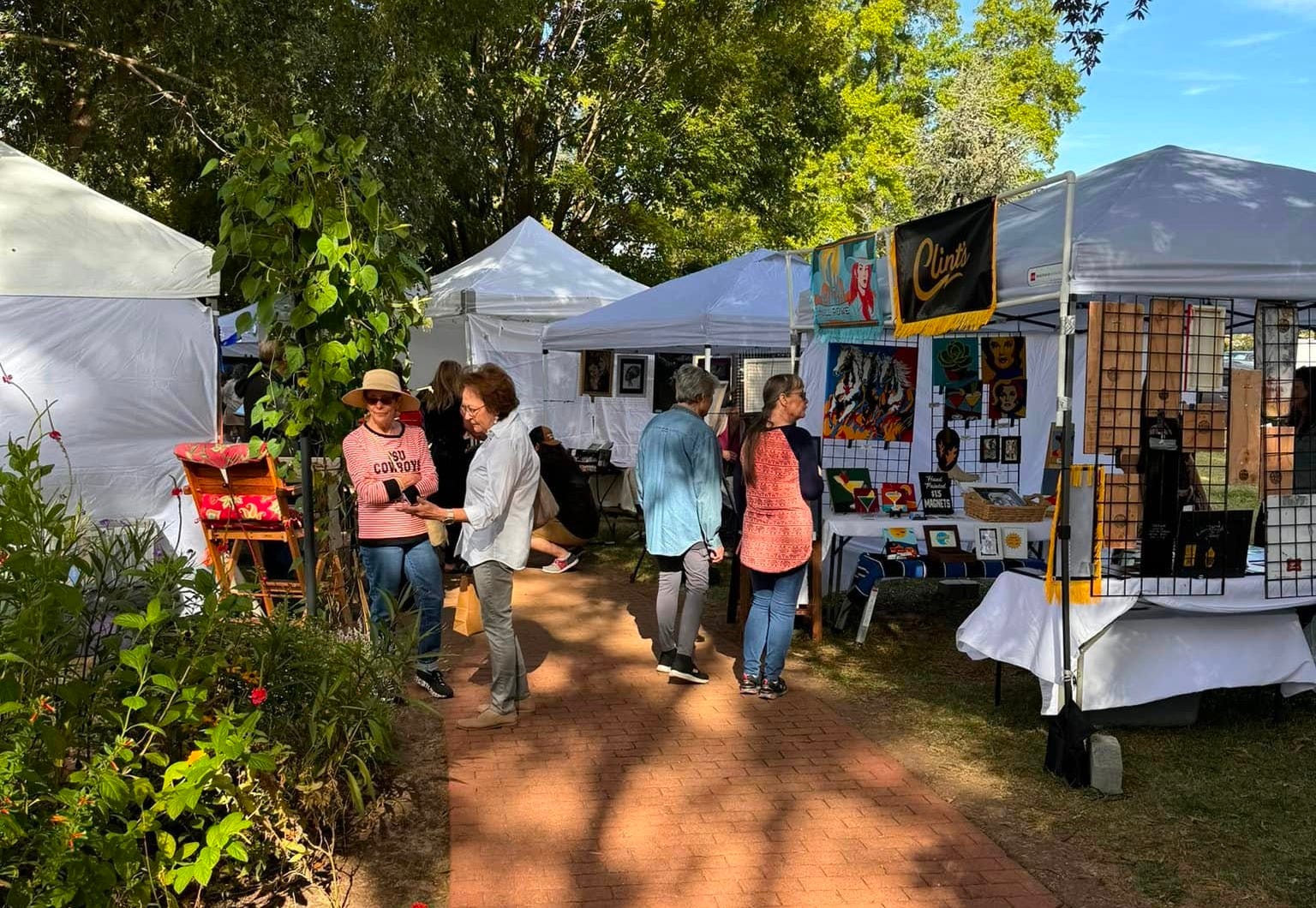
Those contributions support a wide range of offerings: free gallery exhibitions, public art installations, children’s art education, community art projects, workshops and a free annual arts festival. In a community of Ponca City’s size, the impact is significant.
Making the Arts Accessible
Accessibility sits at the heart of City Arts’ mission. In a micropolitan community where similar cultural experiences might require long-distance travel, having the arts close to home matters.
“People would otherwise have to travel an hour or more to experience this kind of art and culture,” Tinklenberg explains. “Having it here saves money, supports local artists, increases tourism and feeds back into our local economy.”
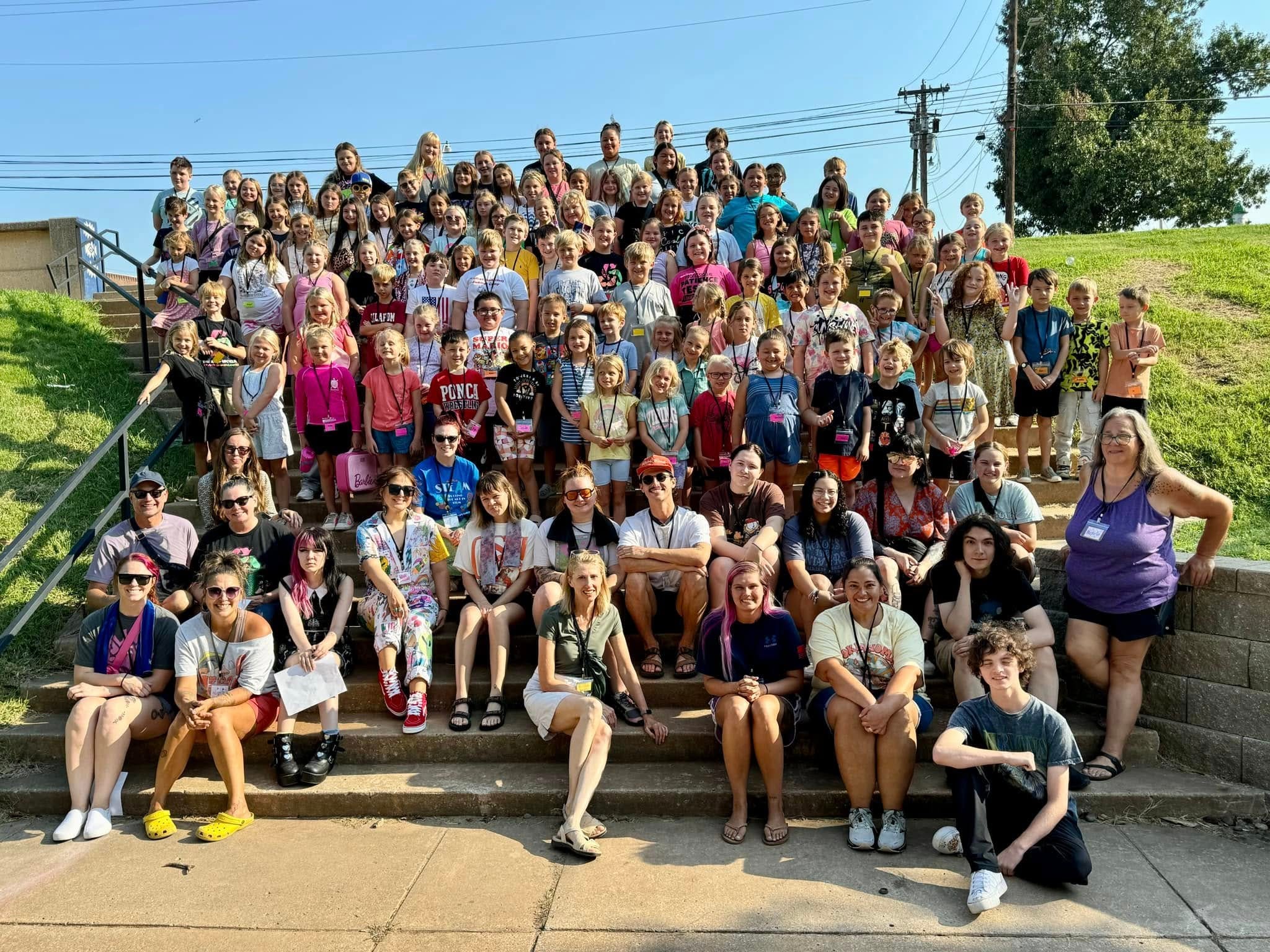
Education plays a major role in that accessibility. City Arts offers summer youth art camps, public workshops like Set-Up for Success and Brushes and Breezes and skill-specific classes in mediums such as polymer and oils. Programs are open to the public, with discounted rates and scholarships available.
Inclusivity is intentionally woven into every program. Workshops are designed for beginners and experienced artists alike, facilities are physically accessible, financial barriers are reduced whenever possible and programming is shaped by community feedback and diverse perspectives.
Supporting the Educators Behind the Art
Tinklenberg is especially passionate about supporting arts educators.
“They don’t just teach skills,” she says. “They cultivate confidence, curiosity and creative problem-solving.” Often underfunded and overextended, educators are frequently the first point of access to the arts for many people. By investing in them, City Arts strengthens the entire creative ecosystem.
“When educators feel supported, programs are stronger, participation increases and the arts become more resilient,” she adds.
Inviting Everyone Into Creativity
Reaching people who don’t see themselves as “artistic” is another key goal. Through social media, personal connections, volunteer opportunities, low-pressure exhibitions and free workshops, City Arts creates multiple entry points into the creative process.
“You don’t have to be an artist to participate,” Tinklenberg emphasizes. “Anyone can create.”
Despite the demands of executive leadership, she remains creatively active herself. A home studio allows her to paint, draw and write, while friendships with local artists offer collaboration and inspiration. Even curating and hanging exhibitions, she says, feels like an art form of its own.
Making the World Less Beige
One phrase Tinklenberg often returns to is her belief that art “makes the world a little less beige.”
“Beige represents sameness and flattened imagination,” she explains. “Art introduces contrast, texture, emotion and perspective.”
For her, art is not optional or decorative—it’s essential to making communities feel human, connected and alive.
Professionally, that belief drives her commitment to access curiosity and authenticity. “It’s about making room for expression and deeper meaning,” she says.
Looking Ahead
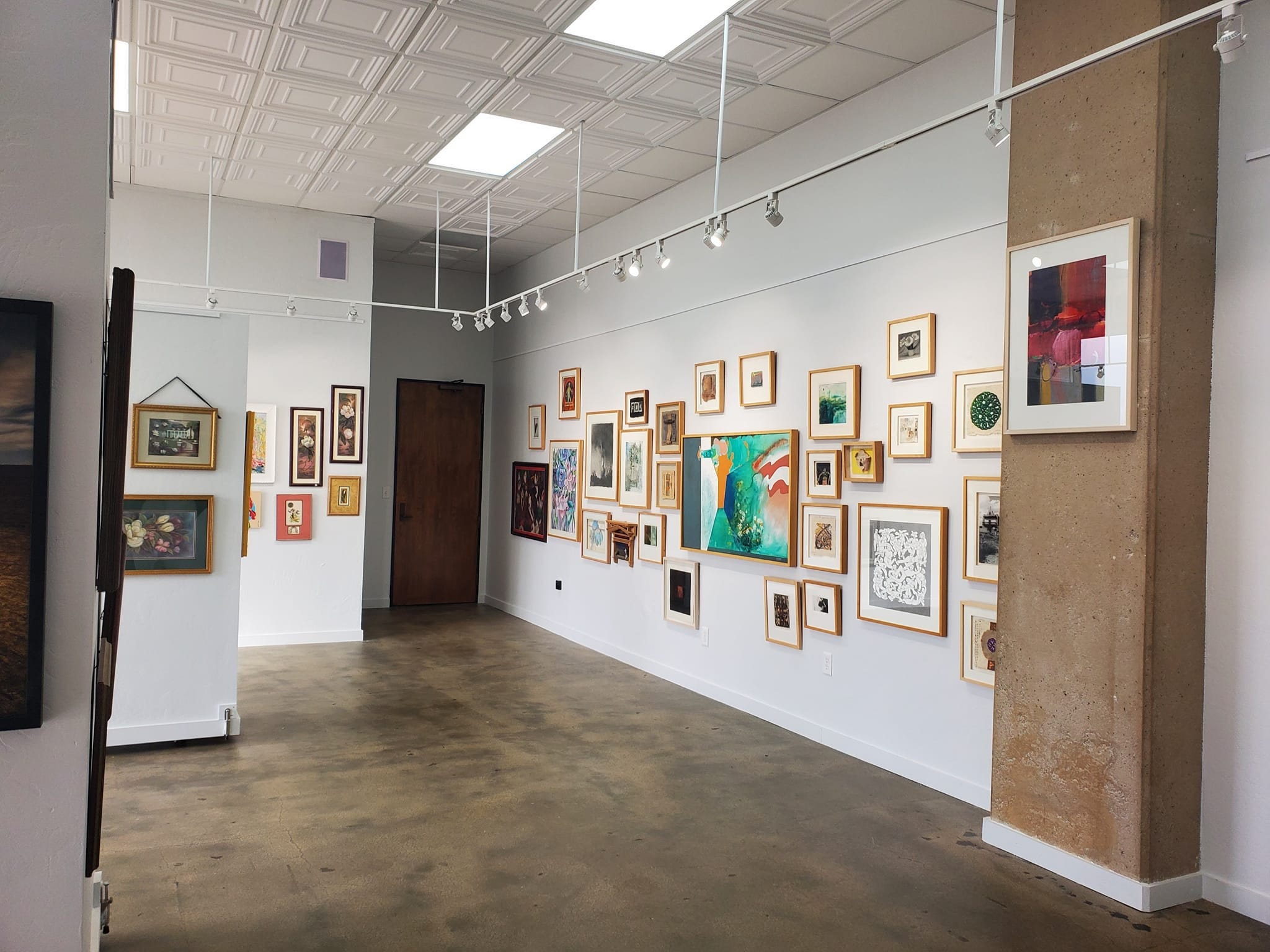
Among the projects she’s most excited about are the Community “heART” Project, the Annual Members Show, the 52nd Annual Arts Festival—moved to April to kick off Oklahoma’s festival season—and the Summer Youth Art Camp themed “Science of Color,” which explores the intersection of art and science.
Looking to the future, Tinklenberg hopes to see the John McNeese Gallery booked a year in advance and expanded enrollment in youth arts education. More broadly, she envisions City Arts continuing to shape Ponca City’s cultural identity through public art, festivals and shared creative experiences.
An Open Invitation
For those who haven’t yet visited City Arts, Tinklenberg’s message is welcoming and clear: everyone belongs.
“City Arts is an organization for everyone,” she says. “You don’t have to be an artist. You don’t need years of experience. Anyone can create, and everyone deserves the chance to express themselves creatively.”
In doing so, City Arts, and Kestrel Tinklenberg’s leadership, continue to make Ponca City a little less beige and a lot more vibrant
➡️ Opt in or out of different newsletters on your “My Account” page.
➡️ Learn more about Ponca City Monthly+
Ponca City Monthly is a locally owned publication that delivers hyperlocal news in print and online.
Like what we are doing? Feel free to forward this along and tell a friend.
Sponsorship information/customer service: email [email protected]